
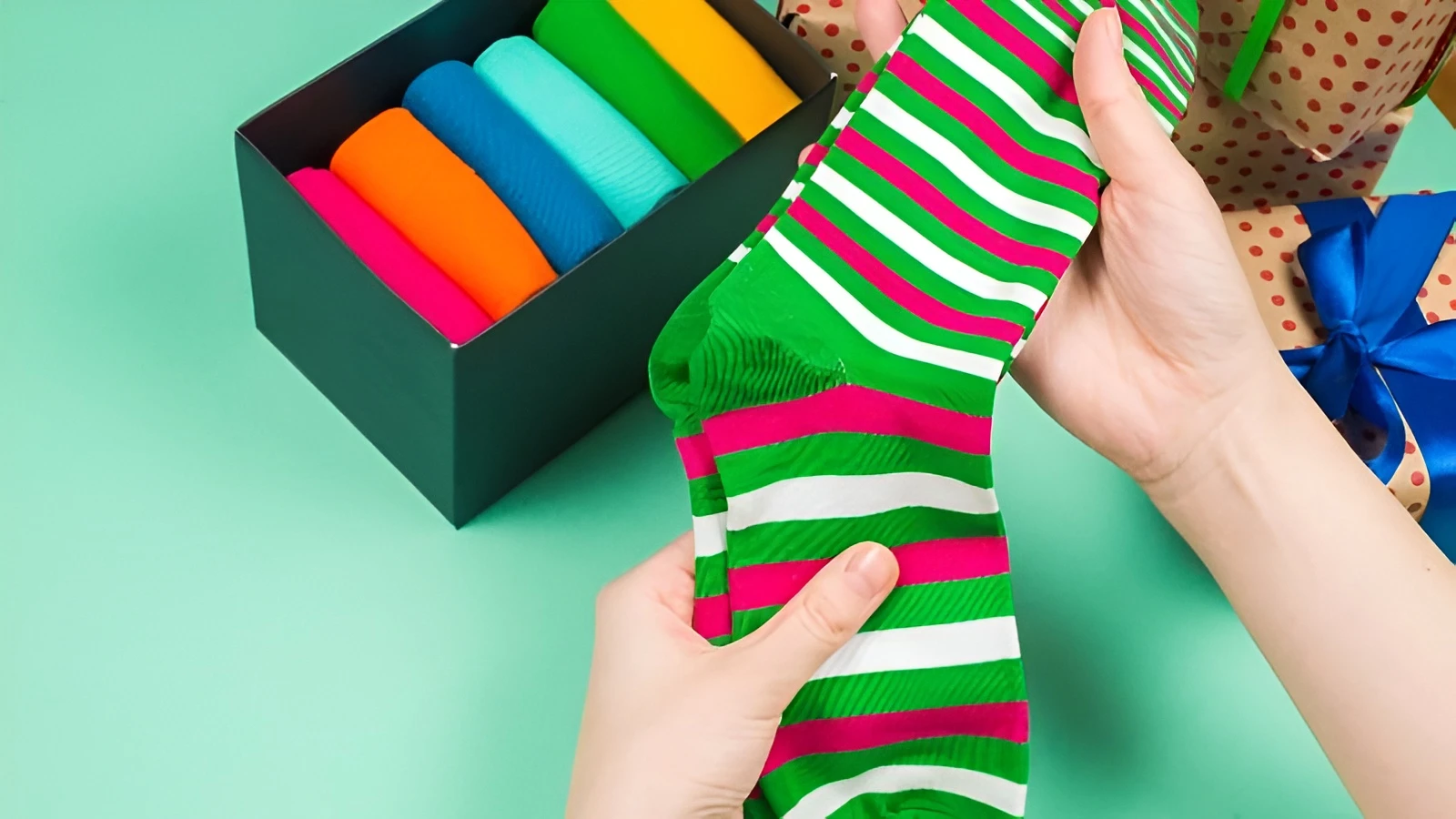
If you want to give your team something they will genuinely appreciate, it is time to pivot to apparel that is both functional and fun. Branded socks have emerged as the ultimate corporate gift. They are universally useful, one-size-fits-most, and offer a unique canvas for your company’s personality.
Sourcing the right pair, however, requires more than just slapping a logo on a white tube sock. To create footwear your employees will actually wear by choice, you need to understand the nuances of material, design, and manufacturing.
1. Prioritize Premium Materials
The fastest way to ensure your custom socks end up in the trash is by choosing cheap, uncomfortable materials. A sock’s primary job is to protect the foot, absorb moisture, and provide comfort throughout the workday.
When evaluating suppliers, always ask for the exact fabric composition. You want a blend that offers breathability, stretch, and durability.
Here is a breakdown of the most common materials you will encounter when sourcing:
| Material Type | Pros | Cons | Best Use Case |
| Combed Cotton | Exceptionally soft, breathable, and great for everyday wear. | Holds moisture if feet sweat heavily; can shrink slightly. | Standard office environments and everyday casual wear. |
| Merino Wool | Temperature regulating, naturally odor-resistant, and incredibly durable. | Higher price point; requires gentler washing. | Outdoor team-building events or premium executive gifts. |
| Synthetic Blends | (Nylon/Spandex/Polyester) Adds necessary stretch, shape retention, and moisture-wicking. | 100% synthetic can feel cheap and cause feet to overheat. | Used as a supporting material (15-20%) alongside cotton or wool. |
2. The Art of Subtle Design
Your employees do not want to look like walking billboards. If the branding is too aggressive, the socks will be relegated to laundry-day emergencies only. The goal is to design something that looks like it belongs on the shelves of a high-end retail store.
Keep it subtle. Instead of a giant logo, consider using your company’s brand colors in a classic argyle or striped pattern. You can place a small, tasteful logo near the ankle or even hide a fun, inside-joke slogan right on the sole of the foot.
If your brand utilizes specific colors, make sure your designer provides exact Pantone or Hex color codes to the manufacturer. This ensures the finished product aligns perfectly with your brand identity, rather than coming back a slightly-off shade of corporate blue.
3. Understanding Manufacturing Techniques
How your design gets onto the sock matters just as much as the design itself. This is where many buyers get confused.
The two primary methods are Jacquard knitting and sublimation printing.
- Jacquard Knitting: This technique uses a specialized machine to knit dyed yarn together, physically building the pattern into the structure of the sock. It results in a premium, highly durable product where the design won’t crack or fade over time. However, it is limited to simpler designs and a maximum of 5 to 6 colors per sock.
- Sublimation Printing: This process uses heat to transfer dye onto synthetic fibers. It allows for incredibly complex, photorealistic images and unlimited colors. The downside is that the image sits on the surface; when the sock stretches over a calf, the image can distort, and the white base material often shows through, creating a cheap “grin” effect. For corporate apparel, Jacquard knitting is almost always the superior choice.
4. Vetting Your Supplier
Not all sock manufacturers are created equal. When sourcing, you are looking for a true partner, not just a drop-shipper.
Start by checking their minimum order quantities (MOQs). Some premium manufacturers require a commitment of 500 pairs, while others will do runs as small as 50. If you have a small team, look for suppliers specializing in low-MOQ custom runs so you do not end up with boxes of surplus inventory.
Always request a physical sample before approving the full production run. A digital mockup is helpful, but you need to feel the material, test the stretch, and verify the color accuracy in person. If a supplier refuses to send a sample or charges an exorbitant fee for one, view that as a massive red flag.
5. Budgeting for Quality
You get what you pay for in the custom apparel world. While you can certainly find vendors offering socks for 2 USD a pair, those will likely be thin, uncomfortable, and quick to fall apart.
If you want a retail-quality combed cotton sock that your team will love, expect to spend between 6 USD and 12 USD per pair, depending on your order volume. Premium materials like Merino wool will push that price closer to 15 USD to 20 USD per pair. Remember, the goal is to provide a gift that feels valuable. Spending 8 USD on a great pair of socks yields a much higher return on investment than spending 8 USD on a useless plastic desk toy.
6. The Final Touch: Presentation
The way you hand out the swag is almost as important as the swag itself. Tossing a loose pair of socks onto a desk lacks impact.
Take the time to package the socks thoughtfully. Consider wrapping them in custom-branded tissue paper or placing them inside a sleek, recyclable kraft box. Adding a small, handwritten note expressing appreciation for the team member’s hard work elevates the item from generic corporate gear to a meaningful token of gratitude.